
Vietnamese Cuisine
What is Banh mi? – A famous street food of Vietnam
What is Banh mi?
Banh mi is a famous Vietnamese street food. It is mainly made from wheat flour, which goes through a process of kneading, fermentation, and baking to create its distinctive crispy crust and soft interior.
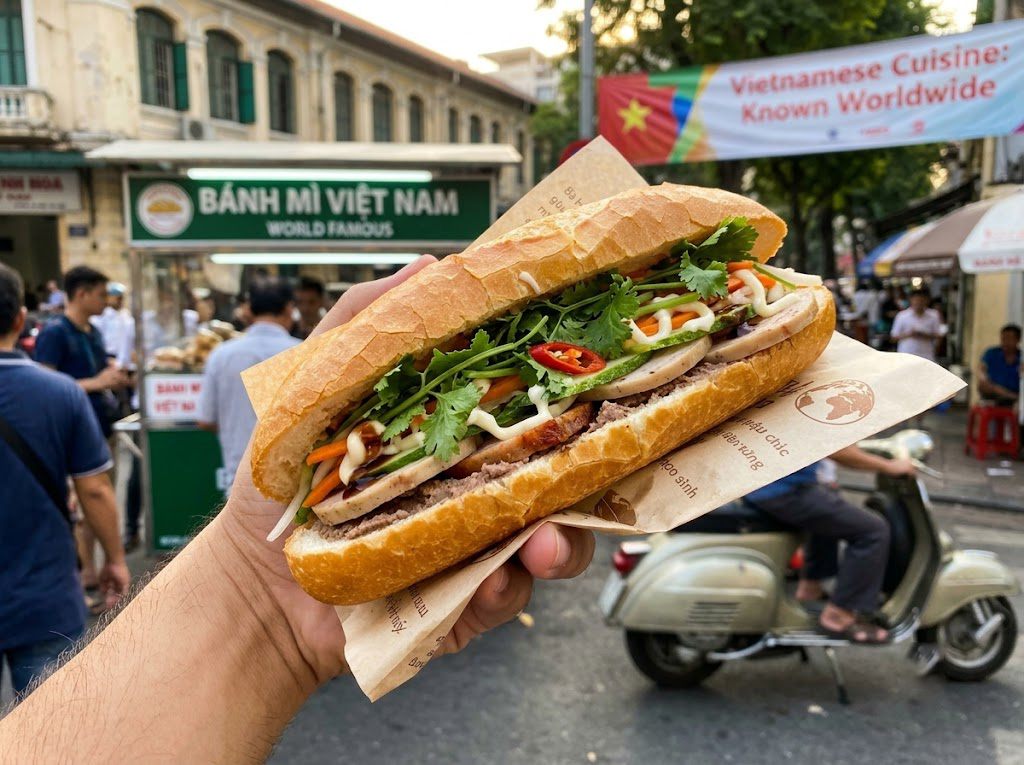
A typical Vietnamese banh mi sandwich is a combination of protein and local vegetables such as pork sausage (chả lụa), coriander, cucumber, pickled carrots, and daikon, combined with French culinary influences such as pâté and various sauces.
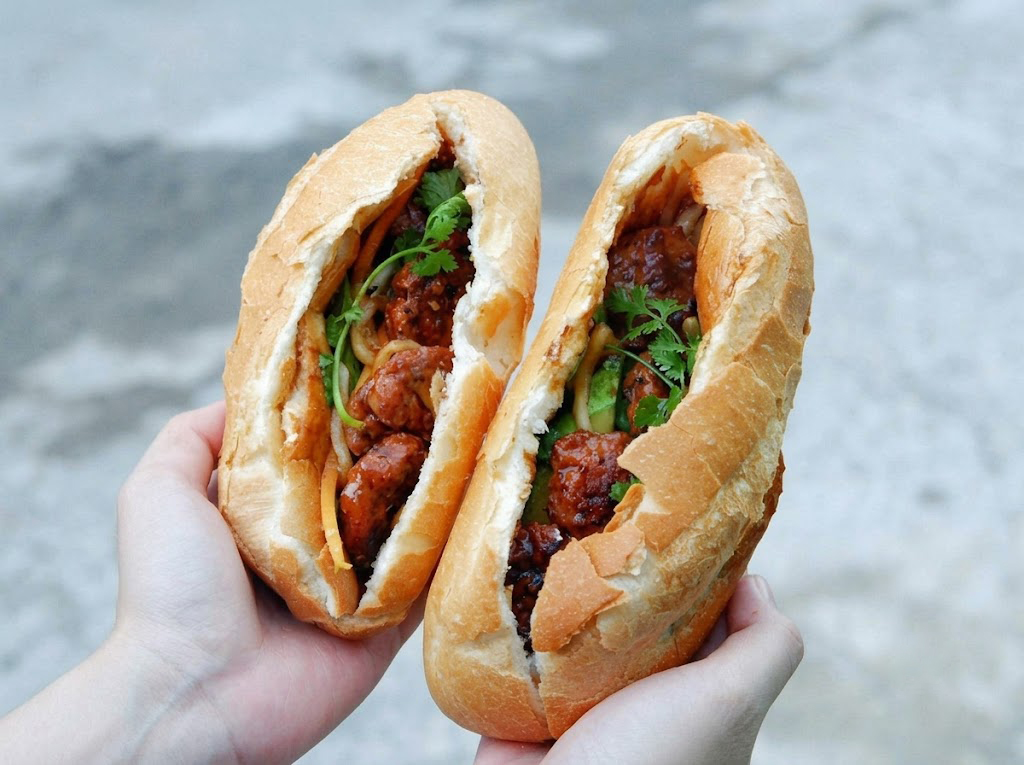
Some popular fillings include xá xíu (Chinese-style roasted pork), xíu mại (Vietnamese-style minced pork meatballs), eggs, sausages, and more.
The Origin of Vietnamese Banh mi
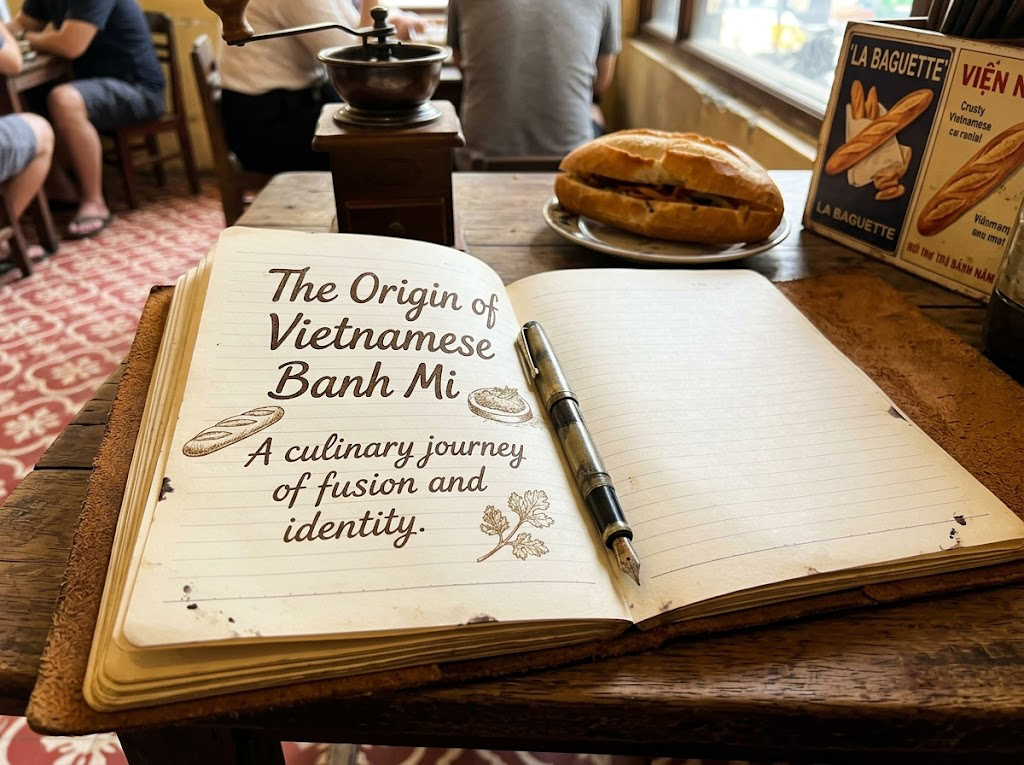
Banh mi, one of the most prominent symbols of Vietnamese cuisine, has a history closely associated with the cultural exchange between the East and the West. The term “banh mi” appeared in the Vietnamese language around the 1830s and was recorded in the dictionary Dictionarium Latino-Annamiticum by Jean-Louis Taberd. However, the modern form of bánh mì was strongly influenced by the French baguette, which was introduced to Vietnam during the colonial period, beginning around the 1860s.
When the French brought European-style baked goods to Vietnam, including baguettes and dishes such as fried pâté, Vietnamese people gradually adapted them to suit local tastes. The original long French-style bread was combined with local ingredients such as fresh herbs, pickled vegetables, chili, cold cuts, pâté, and traditional Vietnamese seasonings. This creativity resulted in the Vietnamese-style banh mi sandwich, which became especially popular in Saigon in the mid-20th century.
Before the 1950s, Vietnamese sandwiches still maintained many French influences, with the most common style being the jambon-beurre sandwich, made with butter, cold cuts, mayonnaise, or liver pâté. After the division of Vietnam in 1954, the migration of people from Northern Vietnam to the South contributed to changes in Saigon’s food culture.
Among these migrants were Lê Minh Ngọc and Nguyễn Thị Tịnh, who opened the Hòa Mã bakery in District 3. By 1958, Hòa Mã became one of the pioneers in selling bánh mì thịt — a sandwich filled with meat and Vietnamese ingredients. During the same period, many other variations appeared, such as bánh mì chả sold from mobile street carts and bánh mì phá lấu in the Gia Định area (now part of Phú Nhuận District).
Some vendors also experimented by using inexpensive Cheddar cheese from French food aid supplies, creating new versions of bánh mì. The Vietnamese overseas community, especially in France, also helped introduce Vietnamese banh mi to the world.
After 1975, bánh mì became less popular for a period due to the effects of the subsidized economy era. During this time, in many state-owned restaurants, banh mi or cold rice was often served as a side dish. .
Vietnamese banh mi later crossed national borders through overseas Vietnamese communities. In the United States, especially in Northern California, banh mi became widely popular through food trucks and Vietnamese sandwich shops. The dish quickly gained recognition among international diners and was sometimes considered a locally adapted version of the sandwich.
In New Orleans, some restaurants developed a version known as the “Vietnamese po’ boy,” inspired by Vietnamese banh mi and combining American sandwich culture with traditional Vietnamese flavors. In Philadelphia, many places also introduced Vietnamese-style hoagies with similar characteristics.
From the 1970s onward, Vietnamese immigrants in the United Kingdom also helped bring banh mi to London. In areas such as Shoreditch, banh mi, along with pho, gradually became popular dishes in Vietnamese restaurants.
The global popularity of banh mi was further strengthened when it appeared in a 2002 PBS documentary about sandwiches around the world. By 2011, the term “banh mi” was officially added to the Oxford English Dictionary, marking international recognition of this Vietnamese dish.
Today, banh mi is not simply a fast food item but also a representation of Vietnamese culinary creativity. From a French-inspired baguette, Vietnamese people created a unique sandwich that harmoniously combines a crispy crust, flavorful fillings, pâté, pickled vegetables, fresh herbs, and distinctive sauces.
Vietnamese banh mi is now featured on menus in many restaurants around the world and has become one of the most famous street foods globally, showcasing the adaptability, transformation, and creativity of Vietnamese culinary culture.
3 Ingredients in a Banh mi
Bread:
- Wheat flour
- Water
- Yeast
- Salt
- Some ingredients that help create a soft and fluffy texture
Meat fillings
Some popular fillings include:
- Cold cuts
- Pâté
- Vietnamese pork sausage (chả lụa)
- Grilled meat
- Eggs
- Meatballs (xíu mại)
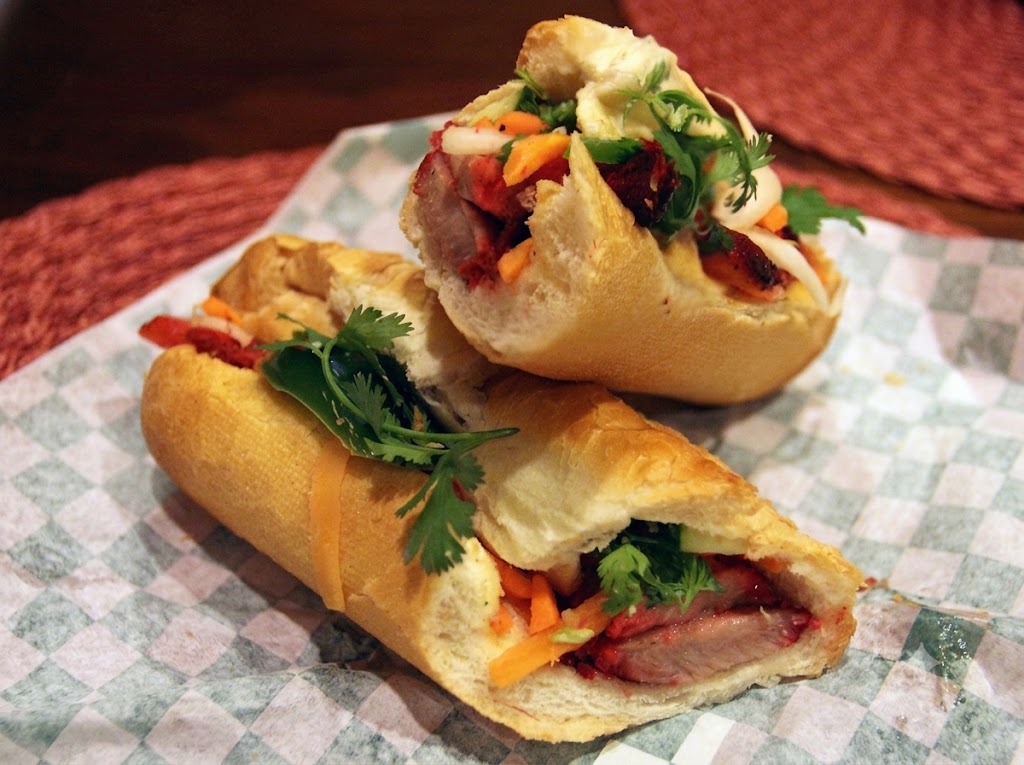
- Roasted pork (xá xíu)
- Sausages
- Pork floss (chà bông)
Vegetables and seasonings
Ingredients that help balance the flavors:
- Cucumber
- Coriander
- Pickled vegetables: carrots and daikon radish
- Sauces
- Chili peppers
Why is Vietnamese Banh mi Famous Around the World?
Banh mi has gained global popularity thanks to many factors:
Balanced flavors
A banh mi sandwich combines multiple layers of flavor: crispy, soft, rich, spicy, aromatic, and refreshing.
Affordable price
Banh mi is a quick and convenient food that still provides plenty of energy and nutrition.
Highly adaptable
Banh mi can be customized to suit different tastes and adapted to different countries and cultures.
A representation of Vietnamese culinary culture
More than just a dish, banh mi reflects the creativity of Vietnamese people in embracing and developing new culinary influences.
Conclusion
Banh mi is not only a street food but has also become an important part of Vietnamese daily life.
From small banh mi carts on the streets to professional banh mi shops, this dish appears in breakfast meals, quick snacks, and even travel experiences.
Banh mi represents the spirit of creativity: transforming a foreign-influenced dish into a unique cultural identity with a distinct Vietnamese touch.
If you have any questions regarding Vietnamese banh mi or anything else about Vietnam that you would like to learn more about, please contact us here.
Expand:Things you need to know about Vietnamese cuisine, what is pho? what is bun cha? what is cha ca La Vong? what is Bun Bo Hue?
Thank you, the article has helped me gain more knowledge about Vietnamese bread.
Thank you, we are also very happy to be able to share this meaningful information with you.