
Vietnamese Cuisine
Things You Need to Know About Vietnamese Cuisine – Discovering the Essence of Vietnamese Food
Vietnamese cuisine is not only about the daily meals of local people, but it is also a story of culture and people, closely connected with the three regions of the S-shaped country: the North, the Central, and the South. Therefore, each dish carries its own unique flavor and characteristics that represent its region.
If you want to learn more about Vietnamese cuisine, its signature dishes, cultural values, and the reasons why Vietnamese food is loved around the world, this article will be a helpful guide for you.
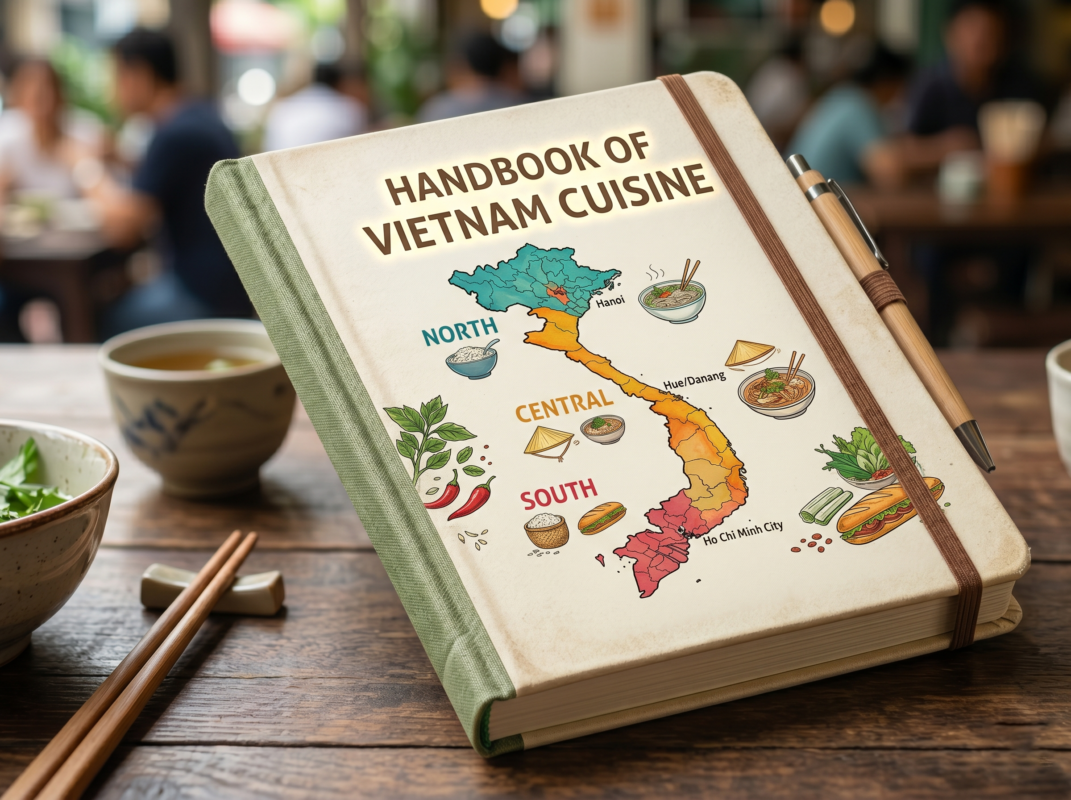
Table of Contents
What Makes Vietnamese Cuisine Different?
Vietnam’s territory is clearly divided into three regions: the North, the Central, and the South. Each region has different climate conditions, cultures, and people, which create the unique characteristics of its cuisine.
+ Northern Vietnam: The cuisine focuses on a balance of flavors, not being too spicy, too sweet, or too fatty. Since the climate has four distinct seasons, the dishes also change according to the weather. Northern cuisine often uses many vegetables and mild spices such as green onions, dill, ginger, and pepper.
+ Central Vietnam: The climate is harsh and very hot, so the food here is usually prepared with strong, rich flavors and is often very spicy.
+ Southern Vietnam: This region has only two seasons: the rainy season and the dry season. Therefore, Southern cuisine tends to have sweeter and richer flavors, with more fatty ingredients and a combination of various ingredients.)
What Principles Are Vietnamese Cuisine Cooked and Combined According to?
Vietnamese cuisine follows two main principles: Yin-Yang Balance and The Five Elements Theory.
Yin-Yang Balance: Dishes with a cooling nature are often combined with hot spices, while dishes with a warming nature are paired with cooling ingredients to create harmony and balance in the food.
The Five Elements Theory: Vietnamese cuisine always highlights five essential elements, and each element contributes to creating a perfect balance in the dish.
| Correspondence | Elements | ||||
| Wood | Fire | Earth | Metal | Water | |
| Spices | Sour | Bitter | Sweet | Spicy | Salty |
| Organs | Gall bladder | Small intestine | Stomach | Large intestine | Urinary bladder |
| Colors | Green | Red | Yellow | White | Black |
| Senses | Visual | Taste | Touch | Smell | Sound |
| Nutrients | Carbohydrates | Fat | Protein | Minerals | Water |
Vietnamese dishes include five elements:
- Five Flavor: Sour (Wood), Bitter (Fire), Sweet (Earth), Spicy (Metal), and Salty (Water).
- Associated with the five internal organs: Gallbladder, small intestine, stomach, large intestine, and kidneys.
- Vietnamese chefs try to incorporate the five colors into their dishes: Green, red, yellow, white, and black.
- Vietnamese cuisine includes five essential types of nutrients: Carbohydrates, fats, proteins, minerals, and water.
- Vietnamese dishes are enjoyed through the five senses: The presentation of food attracts the sense of sight; the sounds produced by crispy ingredients are experienced through hearing; flavors are enjoyed through taste; the aroma of herbs stimulates the sense of smell; and some dishes eaten by hand are experienced through touch.
Herbs and Spices Commonly Used in Vietnamese Cuisine
Herbs and spices are important elements that create the unique characteristics of Vietnamese cuisine. They not only make dishes more flavorful but also help balance the taste, remove the smell of ingredients, and reflect the sophistication of Vietnamese cooking techniques.
Commonly Used Herbs in Vietnamese Cuisine
| Herb Name | Uses |
| Coriander | Coriander has a mild aroma and is often used as a garnish and to add flavor to noodle soups such as pho, bun, soups, or salads. |
| Thai Basil | Thai basil has a distinctive fragrance and is commonly served with pho, bun, and fresh spring rolls, helping the dishes taste fresher. |
| Vietnamese Coriander (Rau Ram) | Vietnamese coriander has a slightly spicy flavor and is often used in dishes such as porridge and crab soup, enhancing the flavor and reducing the feeling of richness. |
| Perilla Leaves | Perilla has a strong aroma and unique color. It is commonly used in soups, fresh rolls, or served with many traditional dishes. |
| Vietnamese Balm (Kinh Gioi) | Vietnamese balm has a gentle fragrance and is often combined with other herbs in dishes such as pho, bun, spring rolls, banh xeo, or fried dishes. |
| Dill | Dill is commonly used in fish dishes, especially cooked fish dishes, as it creates a pleasant aroma and reduces the fishy smell. |
Commonly Used Spices in Vietnamese Cuisine
| Spice Name | Uses |
| Fish Sauce | Fish sauce is one of the most important seasonings in Vietnamese cuisine. It is used to season dishes, make dipping sauces, and create a rich flavor in many traditional foods. |
| Onion and Garlic | Onion and garlic are often sautéed before cooking, creating an appealing aroma and a richer taste. They appear in almost every Vietnamese meal. |
| Ginger | Ginger has a warm and slightly spicy flavor. It is commonly used to remove the fishy smell of seafood and meat, and to add flavor to braised dishes and soups. |
| Lemongrass | Lemongrass creates a distinctive fragrance and is often used in grilled dishes, stir-fries, braised dishes, and many Central and Southern Vietnamese foods. |
| Pepper | Pepper adds a mild spicy taste and aroma. It is often sprinkled on dishes after cooking or used in braised and stir-fried dishes. |
| Cinnamon, Star Anise, and Cardamom | This group of spices is commonly used in noodle soups such as pho or stewed dishes, creating a unique aroma and adding depth to the flavor. |
8 Common Cooking Methods in Vietnamese Cuisine
1. Boiling
Boiling is a simple cooking method that helps preserve the natural flavor of ingredients. Food is usually cooked in boiling water until done and served with dipping sauces or seasonings. Some typical dishes include boiled vegetables with kho quẹt sauce, boiled chicken, and boiled pork wrapped in rice paper.
2. Steaming
Steaming uses hot steam to cook food, helping dishes maintain their softness, sweetness, and nutrients. Steamed dishes usually have a light and delicate flavor, such as steamed fish, bánh bèo, bánh nậm, and steamed shrimp.
3. Braising
Braising is a common cooking method in Vietnamese family meals. Ingredients are cooked slowly with fish sauce, sugar, pepper, and various spices to create a rich color and deep flavor. Popular dishes include caramelized fish in a clay pot, braised pork with eggs, and pepper-braised pork.
4. Stir-frying
Stir-frying is a method that uses high heat to quickly cook ingredients with cooking oil and seasonings. This method helps food maintain its crisp texture and attractive color. Familiar dishes include stir-fried morning glory with garlic and stir-fried beef with vegetables.
5. Deep-frying and Pan-frying
Frying creates a crispy outer layer and a delicious aroma. This method is commonly used for dishes such as fried spring rolls, crispy pancakes (bánh xèo), and fried fish.
6. Grilling
Grilling is a cooking method that creates a special aroma through direct heat. Food is usually marinated with spices before grilling to enhance the flavor. Typical dishes include grilled meat, grilled fish, grilled chicken, and grilled pork sausage.
7. Stewing and Simmering
Stewing and simmering involve cooking ingredients for a long time until they become tender and the broth develops a natural sweetness. This method is commonly used in dishes such as pho, beef noodle soup (bún bò), and various slow-cooked dishes.
8. Pickling and Fermentation
This is a traditional method of preserving food while also creating distinctive flavors. Popular dishes include pickled mustard greens, pickled eggplant, fermented pork sausage (nem chua), and different types of fermented fish sauces.
Top 10 Vietnamese Dishes You Should Try When Visiting Vietnam
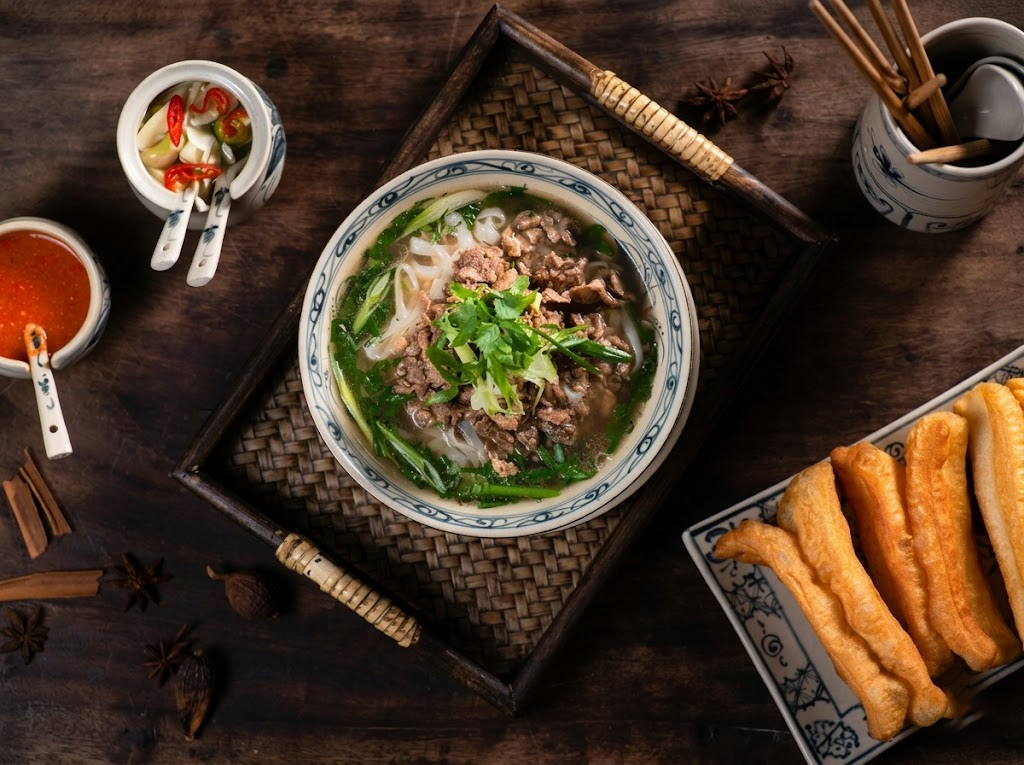
1. Pho
Pho is considered a symbol of Vietnamese cuisine. This dish consists of soft rice noodles, a broth simmered from bones and special spices such as cinnamon, star anise, and ginger, combined with beef or chicken. Its light, sweet, and aromatic flavor makes pho one of the most loved dishes among visitors.
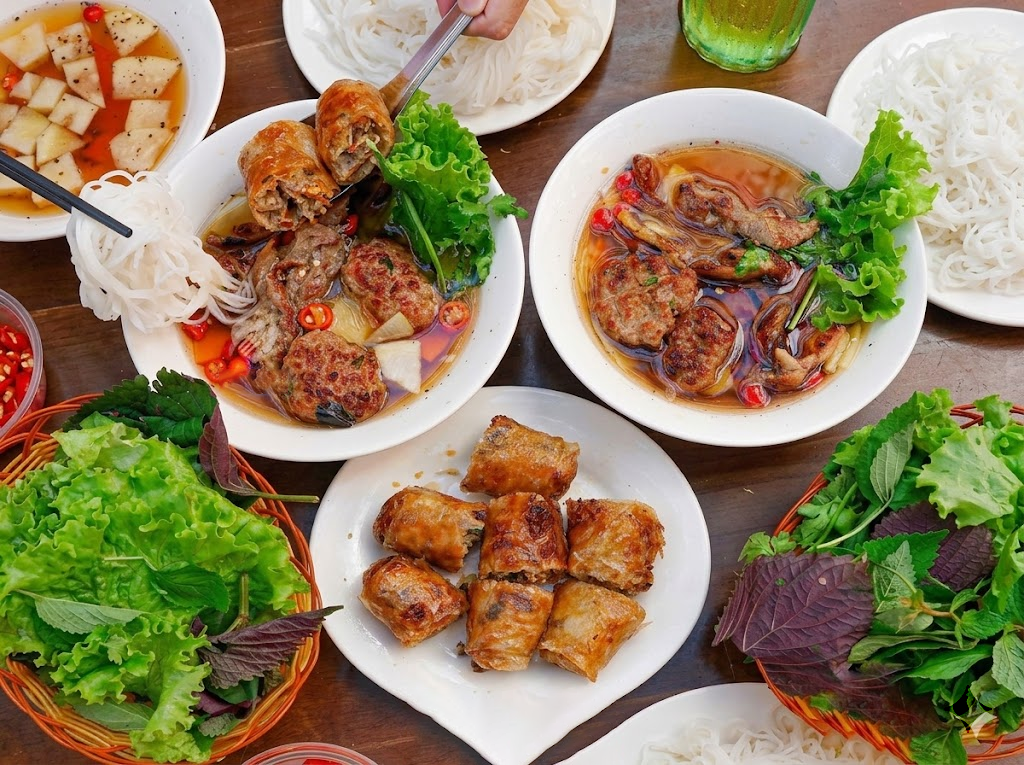
2. Bun Cha
Bun cha is famous for its fragrant grilled pork, served with rice noodles, fresh herbs, and sweet-and-sour dipping sauce. This is a typical dish from Northern Vietnam.
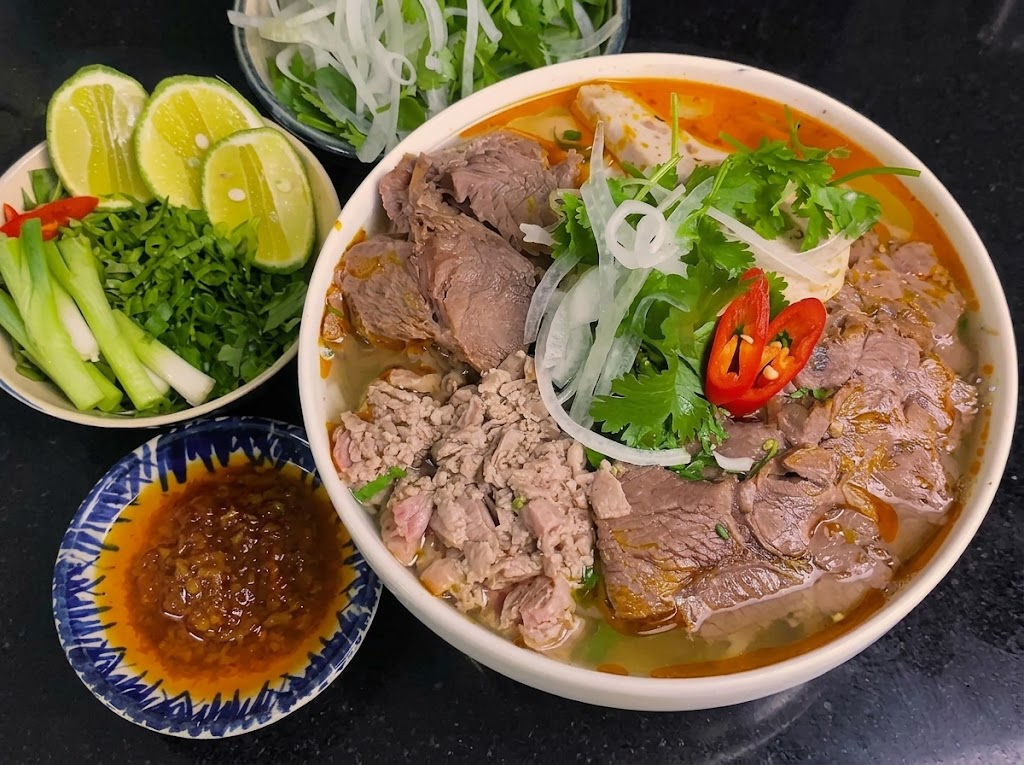
3. Bun Bo Hue
Bun bo Hue is a famous dish from Central Vietnam, featuring a rich broth with the aroma of lemongrass and a slightly spicy taste. The dish usually includes beef, pork knuckle, thick rice noodles, and various fresh vegetables.
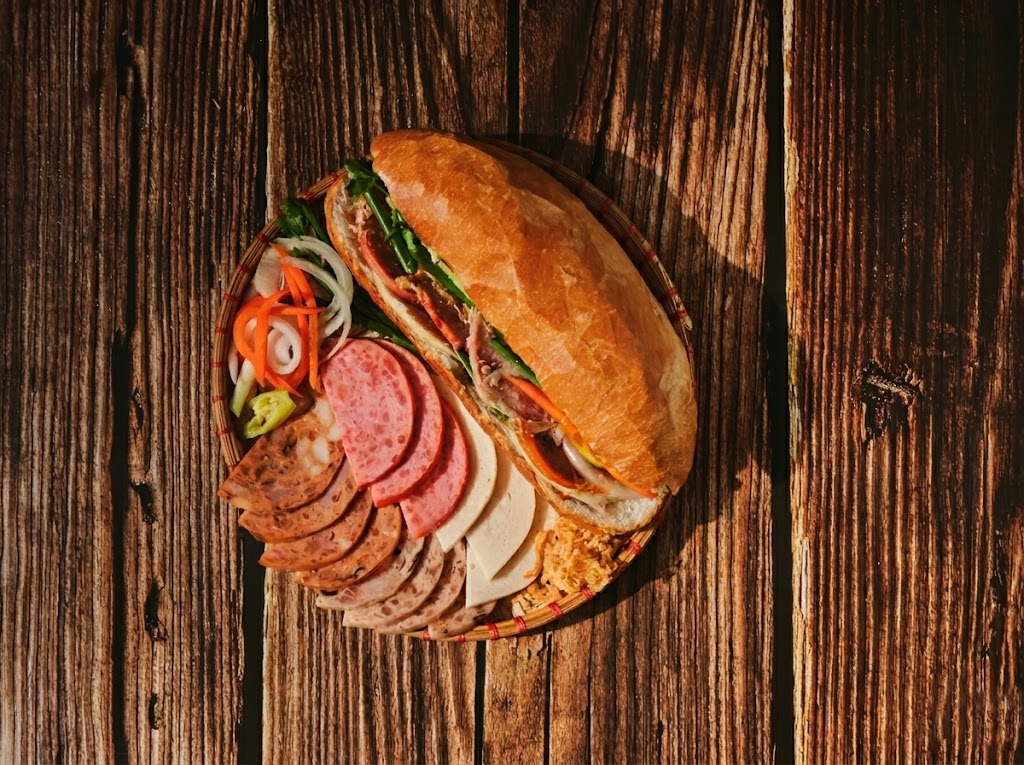
4. Vietnamese Banh Mi
Vietnamese banh mi is a combination of a crispy bread exterior and a variety of fillings such as meat, pâté, pork sausage, fresh herbs, pickled vegetables, and sauces. This popular street food represents the creativity and cultural fusion of Vietnamese cuisine.
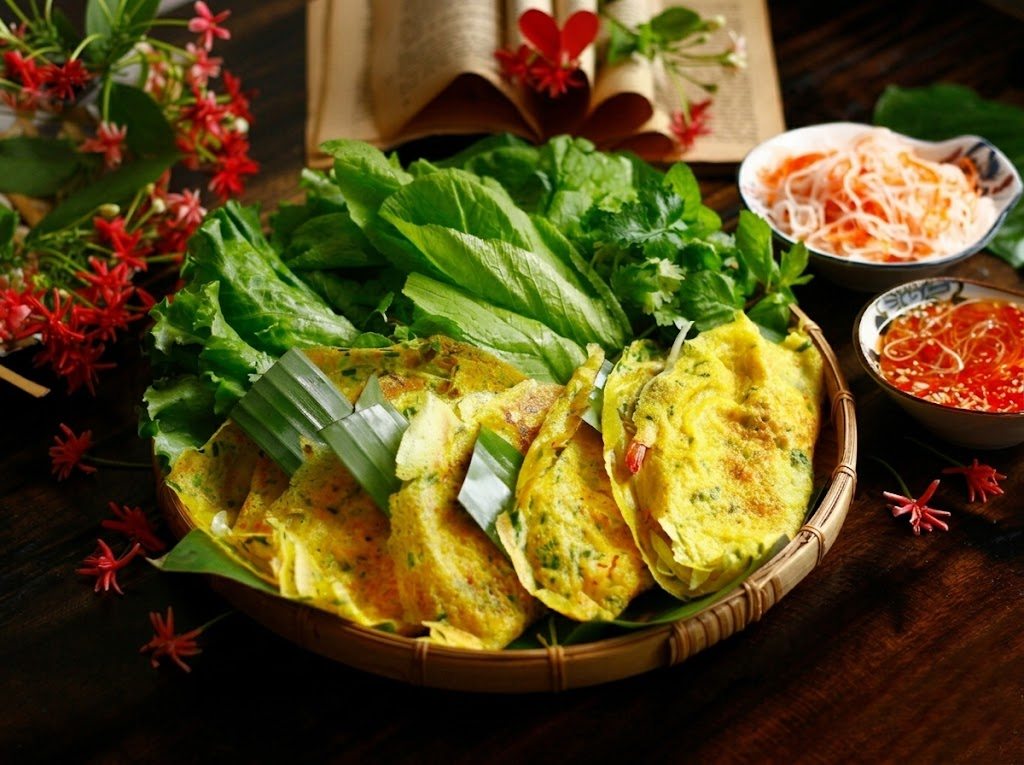
5. Banh Xeo
Banh xeo is a traditional Vietnamese dish known for its crispy golden crust and delicious filling. It is usually wrapped with fresh vegetables, rice paper, and served with sweet-and-sour fish sauce.
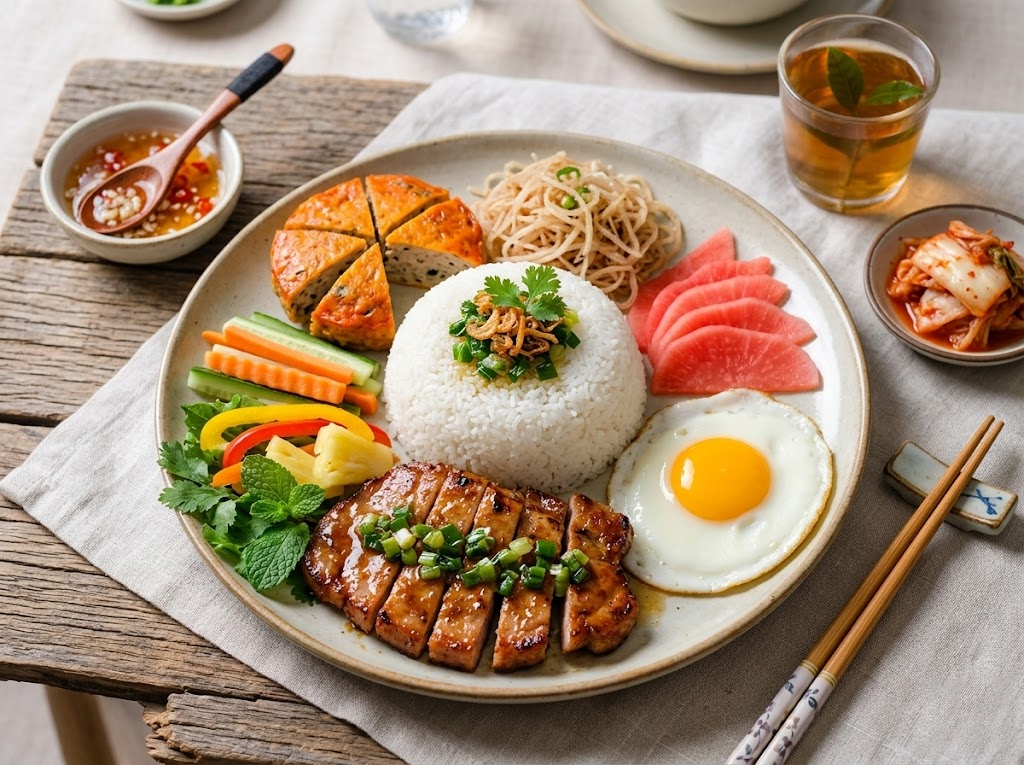
6. Com Tam (Broken Rice)
Com tam ( Broken rice ) is a familiar dish in Southern Vietnam, especially in Ho Chi Minh City. It usually includes broken rice, grilled pork ribs, shredded pork skin, steamed egg meatloaf, and mixed fish sauce.
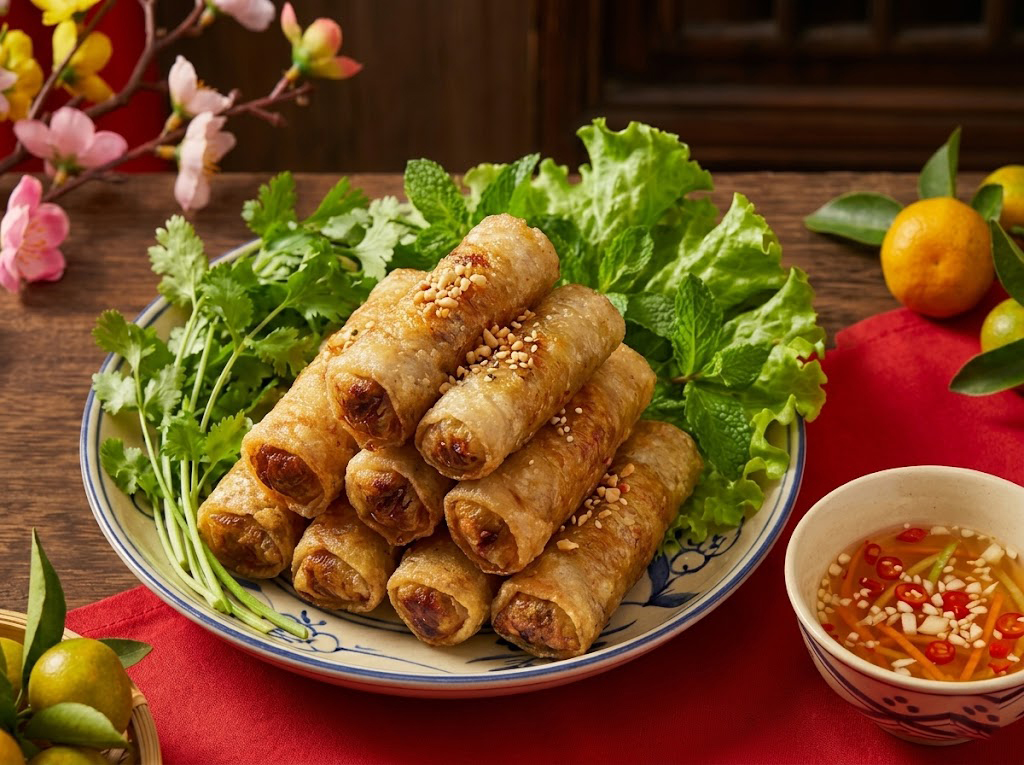
7. Vietnamese Spring Rolls (Nem Cuon / Nem Ran)
Vietnamese spring rolls are a traditional and famous dish made with rice paper wrappers and a filling of minced meat, wood ear mushrooms, glass noodles, eggs, and vegetables. The rolls are fried until golden and crispy, with a crunchy outer layer and a soft, flavorful filling inside. They are usually served with fresh herbs and sweet-and-sour fish sauce.
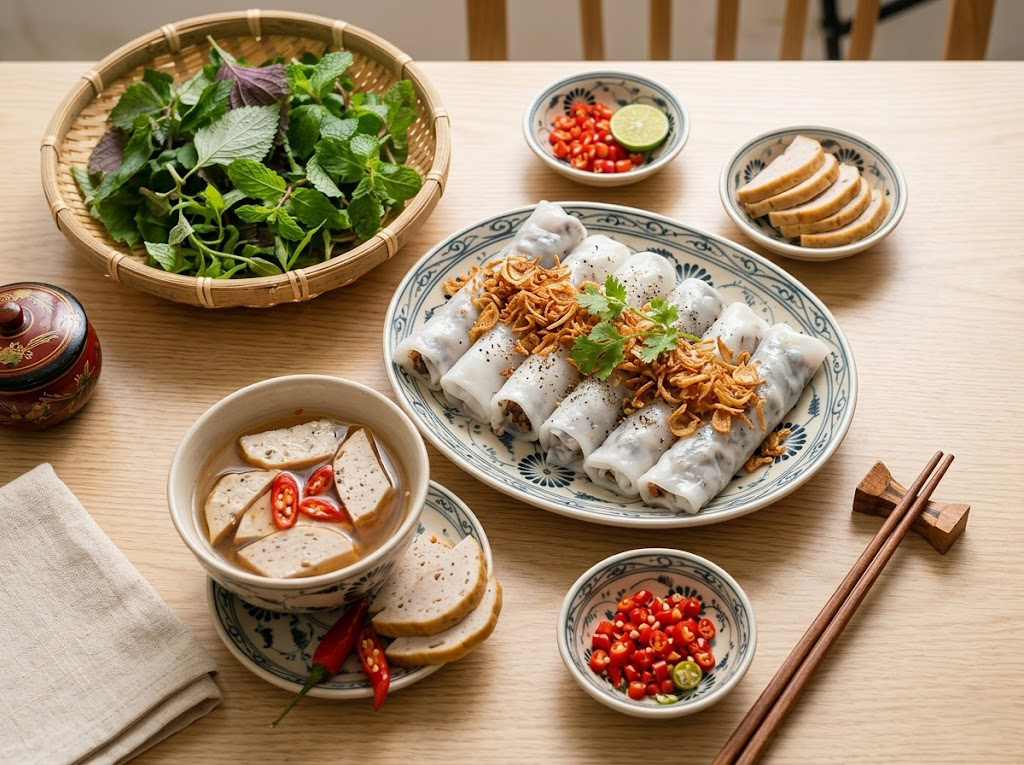
8. Banh Cuon
Banh cuon is a traditional Vietnamese dish featuring thin, soft rice sheets made by steaming rice flour batter. The rolls are usually filled with minced pork, wood ear mushrooms, and fried onions, then served with dipping fish sauce, Vietnamese pork sausage, and fresh herbs.
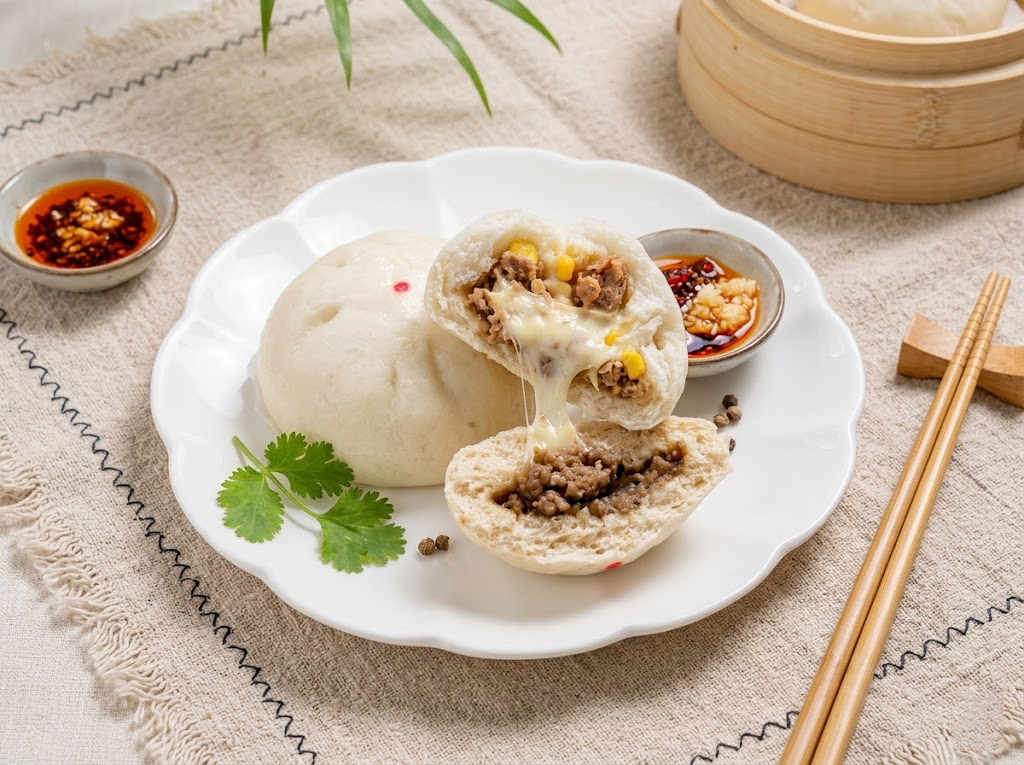
9. Banh Bao
Banh bao is a familiar Vietnamese dish with a soft, white, and fluffy wheat flour wrapper that is steamed until cooked. The filling usually includes minced meat, quail eggs, wood ear mushrooms, glass noodles, and seasonings, creating a rich and delicious flavor.
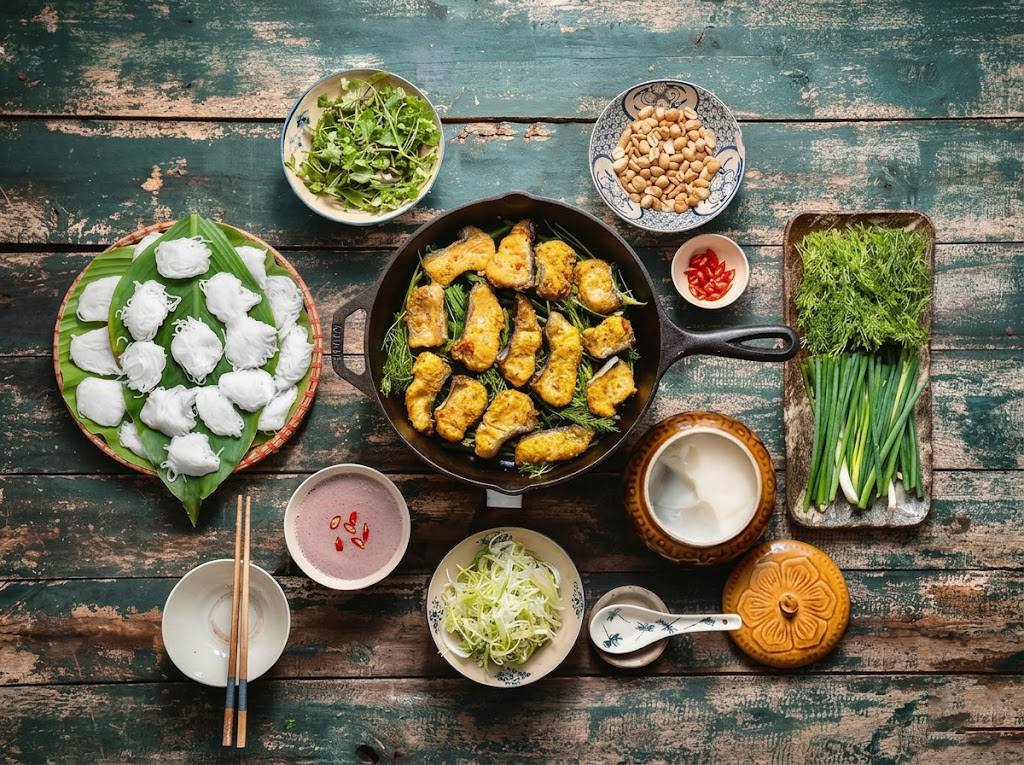
10. Cha Ca La Vong
Cha ca La Vong is a famous specialty of Hanoi. It is made from fish (usually hemibagrus fish) marinated with turmeric, galangal, shrimp paste, and various spices, then grilled or fried in a pan. The fish is served with dill, green onions, rice noodles, roasted peanuts, and a special dipping sauce. )
Top 5 Drinks You Should Try When Visiting Vietnam
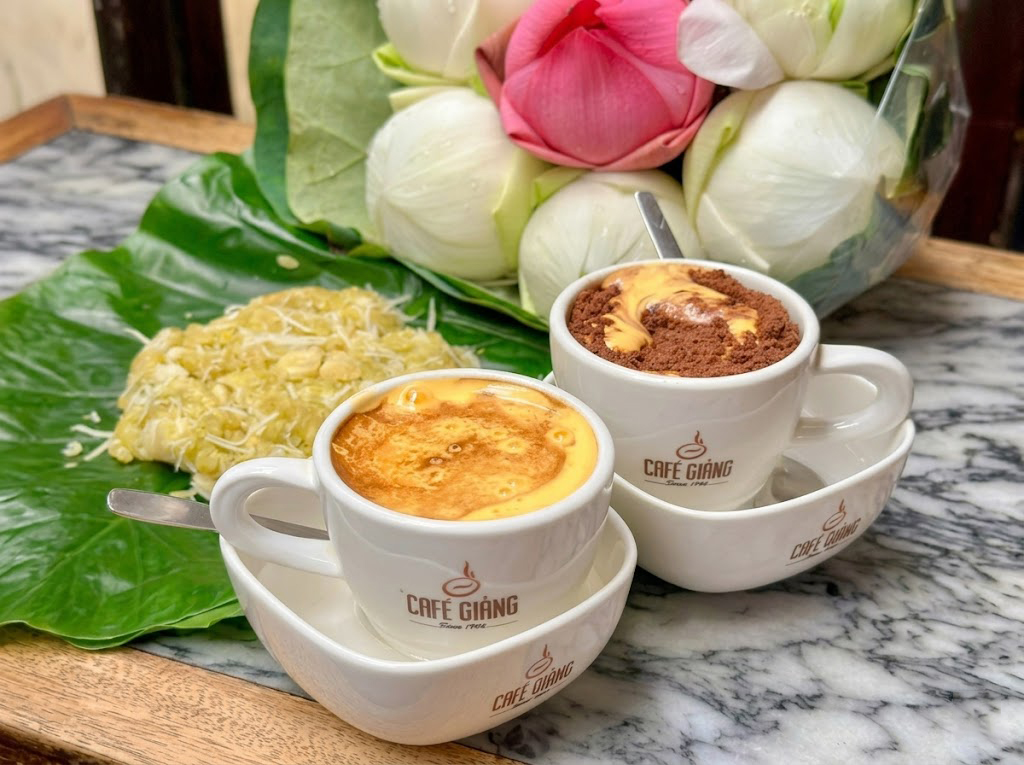
1. Egg Coffee
Egg coffee is a famous Vietnamese drink, especially associated with Hanoi. It consists of strong black coffee (usually brewed with a Vietnamese phin filter) combined with a layer of whipped egg cream made from egg yolks, sugar, and condensed milk.
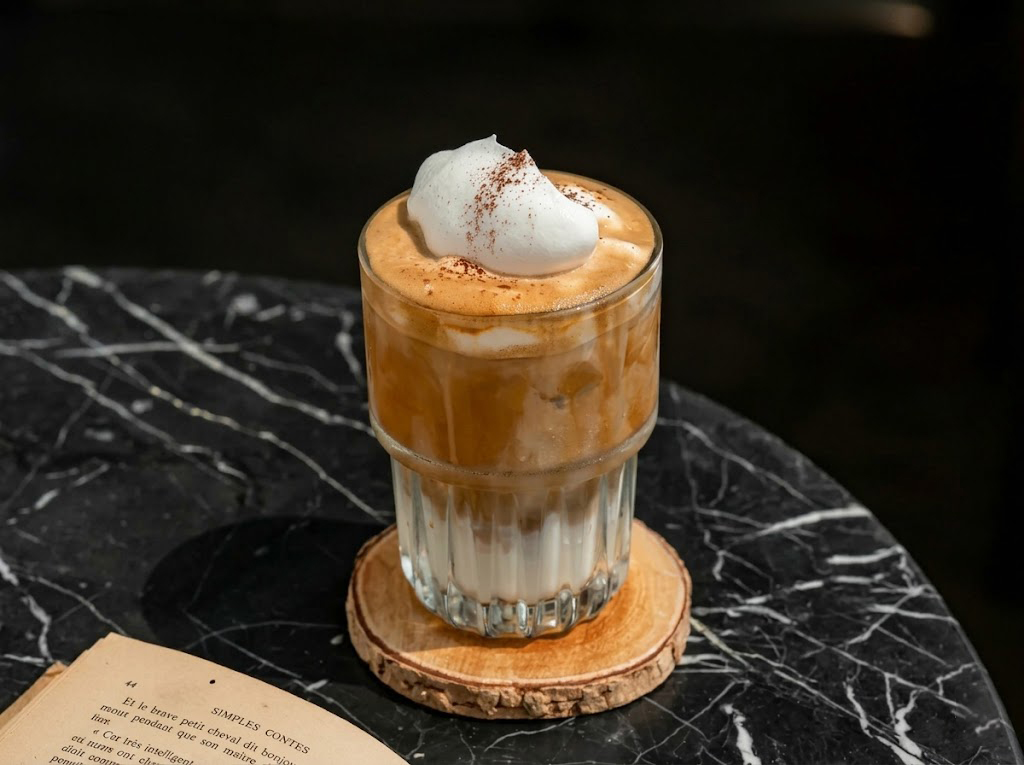
2. Salt Coffee
Salt coffee is a Vietnamese drink that combines strong coffee with a creamy milk foam mixed with a small amount of salt. The slight salty taste enhances the sweetness and creaminess while reducing the bitterness of the coffee, creating a unique and balanced flavor. This drink is most famous in Hue.
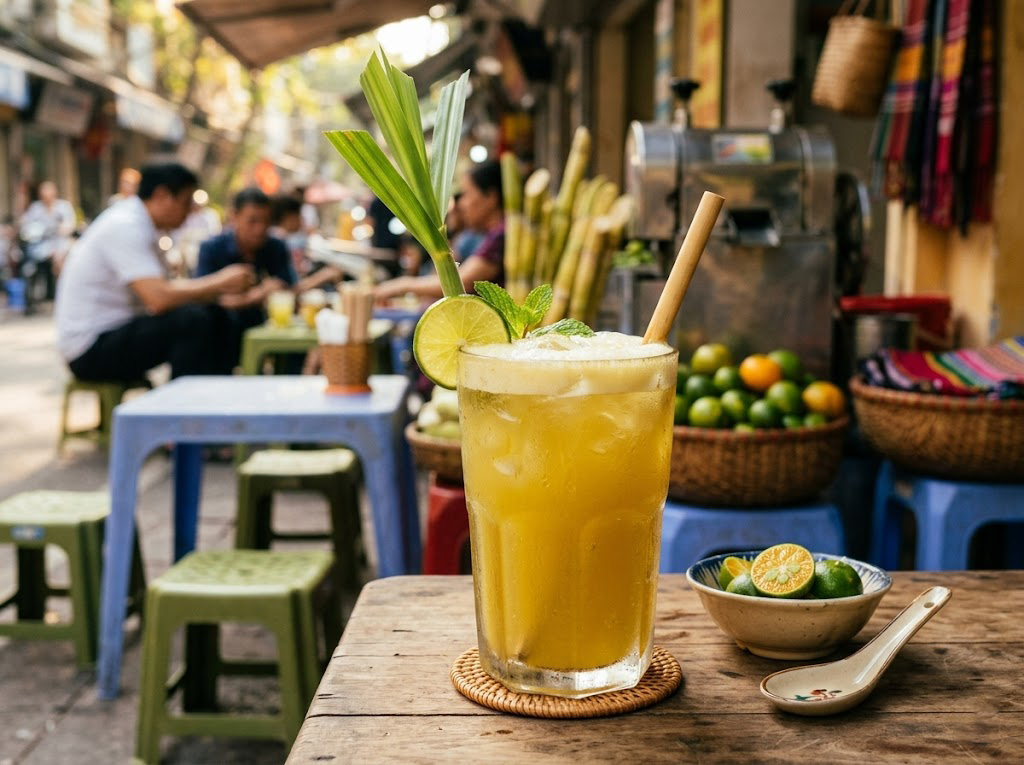
3. Sugarcane Juice
Sugarcane juice is a drink made by directly pressing fresh sugarcane stalks. It is usually served with ice and can be combined with kumquat to add a slightly sour flavor. Sugarcane juice has a naturally sweet and refreshing taste, making it a popular drink in Vietnam, especially on hot days.
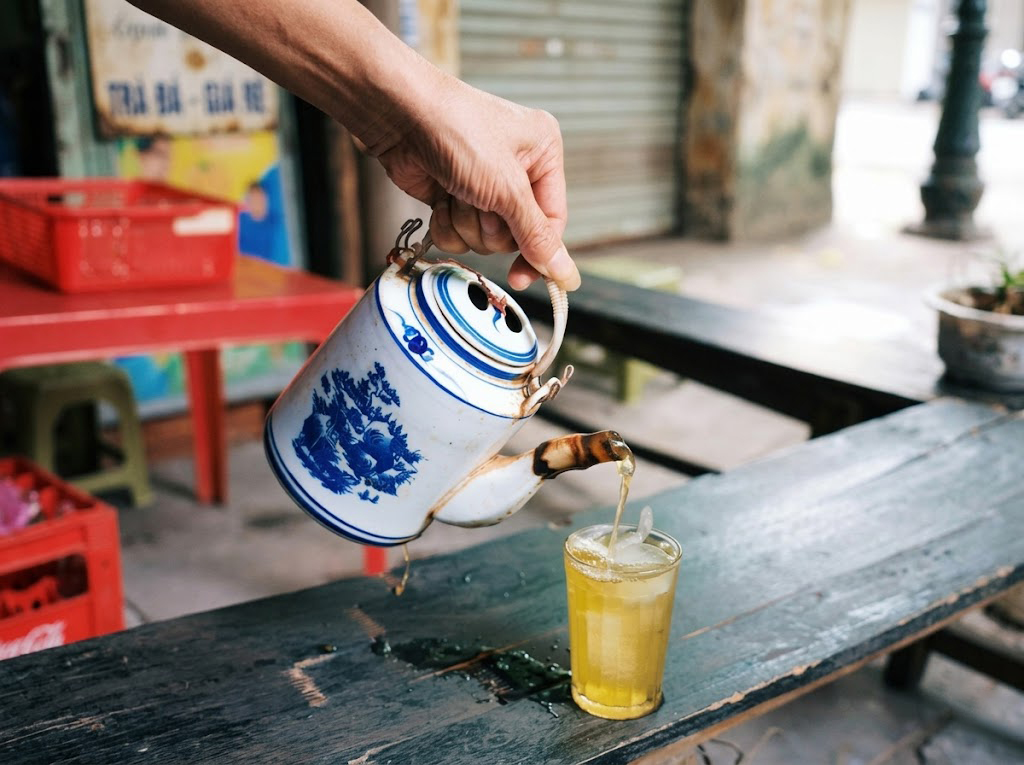
4. Iced Tea
Iced tea is a familiar Vietnamese drink made from tea and cold water or ice. With a light, slightly bitter, and refreshing taste, iced tea is commonly enjoyed as a thirst-quencher and served with meals at restaurants and street food stalls.
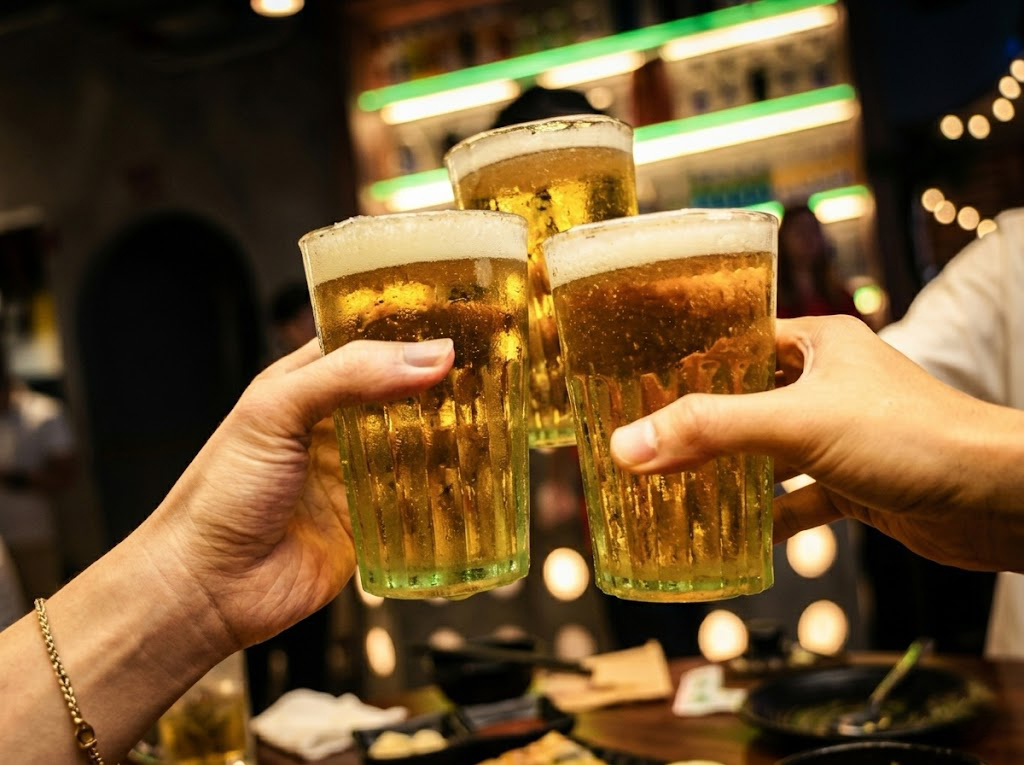
5. Beer (Bia Hơi)
Bia hơi is a popular type of fresh beer in Vietnam, brewed and consumed within a short period of time. It has a light, refreshing taste with low bitterness and is usually served cold, often enjoyed with various dishes.
Conclusion
Vietnamese cuisine is a vibrant reflection of the country’s culture, history, and natural diversity. Known for its balance of flavors, Vietnamese food harmoniously combines fresh herbs, vegetables, spices, and high-quality ingredients to create dishes that are both healthy and flavorful. From the iconic phở and bánh mì to regional specialties, each dish tells a story of local traditions and creativity. With its emphasis on freshness, simplicity, and the perfect blend of sweet, sour, salty, and spicy tastes, Vietnamese cuisine offers an unforgettable culinary experience for people around the world.
If you have any questions related to Vietnamese cuisine or anything about Vietnam that you would like to explore, please feel free to contact us here.
This is a very detailed article about Vietnamese cuisine. As a tourist, after reading this blog, I now have a guide to enjoying food when visiting Vietnam. Thank you very much.
Duplicate comment detected; it looks as though you’ve already said that!